
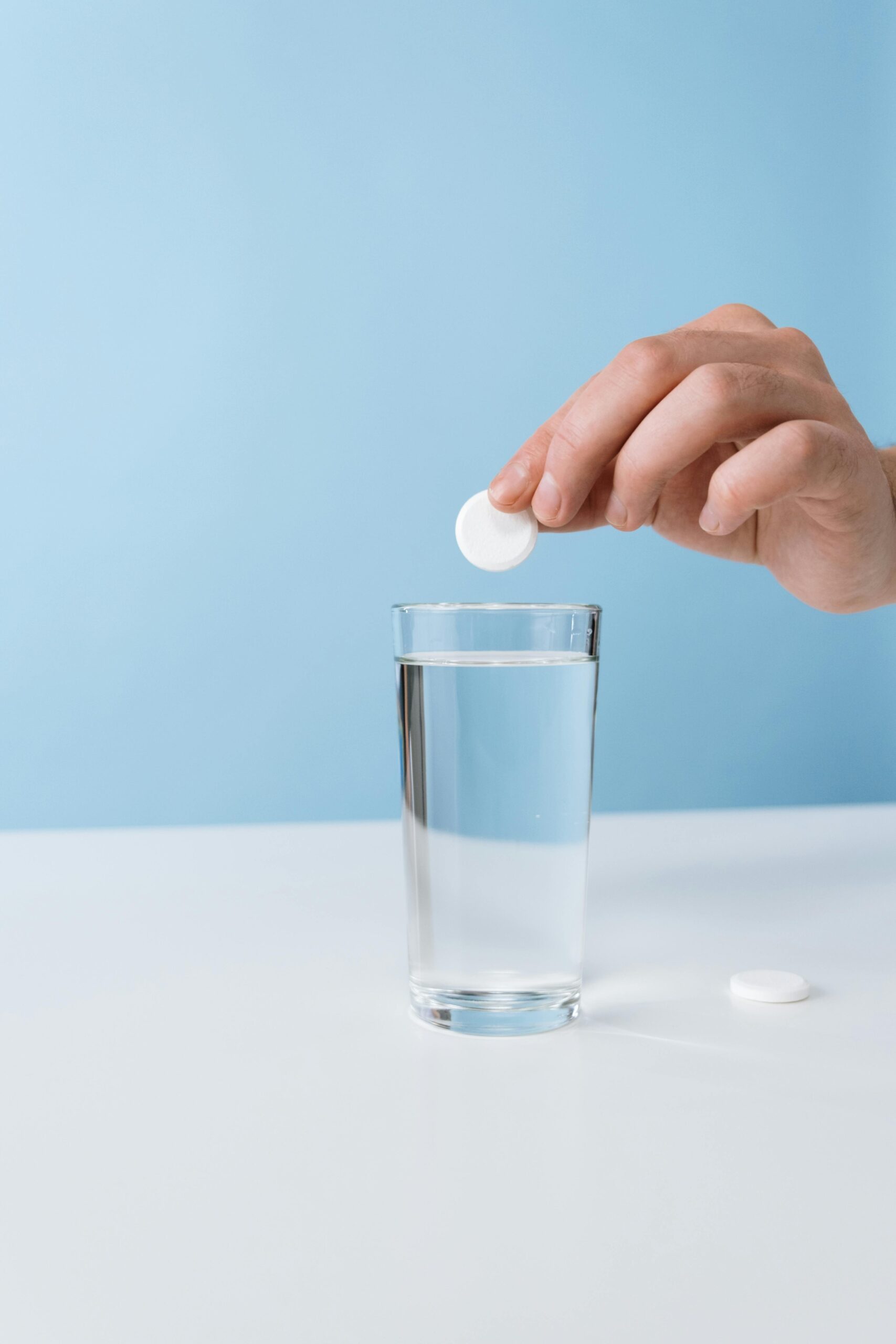
The liquid supplement industry continues to grow as consumers look for convenient ways to support their health and wellness goals. One of the earliest decisions in supplement development is determining whether a product should be formulated as a powder or a liquid. Each option offers different advantages in terms of usability, manufacturing, shelf life, and consumer appeal.
Rather than viewing one format as universally better than the other, it is more helpful to consider how the format supports the product’s purpose, health claims, and the needs of the intended consumers. The following considerations can help guide this decision.
Understanding the Formulation’s Intended Function
The desired experience of the supplement often influences the format that works best.
Liquid supplements are commonly used for products intended to be convenient and readily consumable, such as wellness shots or ready-to-drink pouches. Since the ingredients are already dissolved, liquids may also be easier for some individuals to consume and can fit well into fast-paced routines.
Powder supplements, on the other hand, are frequently chosen for daily nutrition products that people consume along with beverages or meals. Additionally, powders allow manufacturers to combine larger ingredient blends and offer flexible serving sizes. They are commonly used for products such as protein powders, greens blends, hydration mixes, and collagen formulations.
In this way, the format can shape the overall experience of the supplement—from quick, single-use servings to customizable daily nutrition routines.
Consumer Preferences and Lifestyle
A successful product often reflects the habits and expectations of the people who use it.
Individuals involved in fitness and sports nutrition are typically comfortable with powders. Mixing a supplement into a shaker bottle or smoothie is already a familiar routine for many athletes and gym-goers. Powders also allow users to modify serving sizes or combine different supplements as part of a personalized regimen.
On the other hand, convenience-focused consumers may gravitate toward liquid supplements that are easy to consume. Ready-to-drink products require minimal preparation and can easily be used during commutes, at work, or while traveling. This simplicity can be appealing for those who prefer quick, straightforward wellness solutions.
Matching the product format to the lifestyle of the targeted consumers can improve both usability and long-term customer satisfaction.
Distribution and Retail Strategy
Where a supplement will be sold can also affect the most practical formulation format.
Powder supplements are often well suited for e-commerce distribution. They tend to be lighter in weight, less fragile, and easier to package for shipping compared to liquid products. These characteristics can help reduce transportation costs and the likelihood of damage during delivery.
Liquid supplements often attract attention in physical retail environments, where packaging design and visual presentation play a larger role in purchasing decisions. Brightly packaged bottles or wellness shots can stand out on store shelves and may encourage impulse purchases when shoppers can see the product in person.
Considering distribution channels early in formulation development can help avoid logistical challenges later.
Shelf Stability and Ingredient Integrity
Another important factor is how the supplement will maintain its quality over time.
Powders generally have strong shelf stability because they contain very little moisture. Low water activity reduces the potential for microbial growth and may help preserve certain sensitive ingredients. This can make powders an appealing option for products designed to remain stable over longer storage periods.
Liquid supplements often require additional formulation strategies to maintain stability. Preservatives, stabilizing agents, or specialized packaging may be needed to protect ingredients and ensure safety throughout the product’s shelf life. Manufacturers frequently conduct stability testing to confirm that the product maintains its intended quality during storage.
These factors can influence both the complexity and cost of production.
Production and Cost Considerations
Manufacturing processes can differ significantly between powders and liquids.
Powder supplements are often more economical to produce and distribute, especially for companies entering the market for the first time. Production typically involves blending, flavoring, and packaging, which can be scaled relatively efficiently.
Liquid supplements may involve more specialized equipment, bottling systems, and packaging materials. While these requirements can increase production complexity, liquid formats may offer strong branding opportunities in certain market segments, particularly when presented as premium wellness products.
Evaluating both short-term production costs and long-term brand positioning can help determine which format is the most practical choice.
Regulatory and Compliance Awareness
Supplement format may also influence regulatory requirements. In the United States (U.S.), certain types of ingredients and products are overseen by the U.S. Food and Drug Administration (FDA), which establishes guidelines for labeling, safety, and manufacturing practices.
Liquid products may require additional attention to stability, preservation, and packaging, especially when designed for extended shelf life. Powders are often simpler from a formulation standpoint, though they must still comply with all applicable dietary supplement regulations.
Brands planning to sell internationally should also be aware that regulatory standards vary across countries and regions.
Key Takeaways
Both powder and liquid supplements can serve as effective delivery formats for nutrition formulations. Powders are often valued for their flexibility, shelf stability, and cost-efficient distribution, while liquids may offer convenience and strong visual appeal in retail settings.
Ultimately, the choice depends on how the supplement is intended to be used, who the product is designed for, and how it will reach consumers. By carefully considering these factors during product development, brands can select a format that aligns with their goals and supports a positive user experience.
If you’re developing a new supplement and need expert guidance, Make A Supplement can help bring your concept to life. Our team works with clients to develop customized powder and liquid formulations, navigate production considerations, and create products that align with market demand. Whether you’re launching a new line or refining an existing formula, partnering with experienced formulators can help streamline the process from idea to finished product.